
Same-day & emergency service available · Serving Minneapolis–St. Paul

Loon Plumbing

Taste & diet

Sodium in Your Water

Sodium in tap water is usually minor, but it's worth understanding if someone in the home is on a sodium-restricted diet — because a water softener adds a bit more.

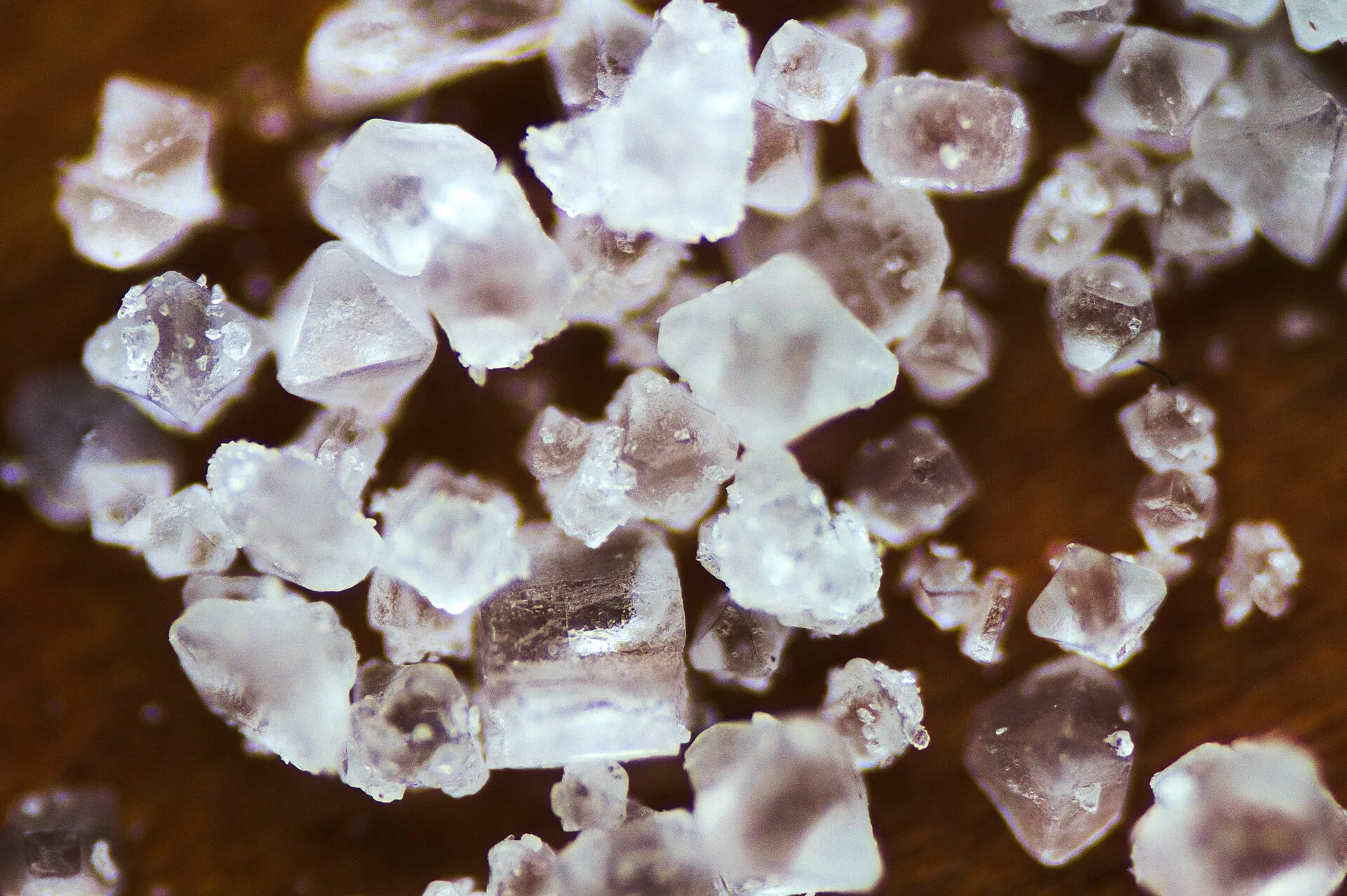
Macro photo of sodium chloride salt crystals
A water softener works by trading hardness minerals for a little sodium.Stanislav.nevyhosteny · CC BY-SA 4.0

What is sodium in water?

Sodium shows up in tap water two ways. Some deep-well systems carry naturally elevated sodium from the geology. And a water softener adds a small amount by design — ion exchange works by trading hardness minerals for sodium, so softened water contains slightly more sodium than the water going in.

For the vast majority of people this is a non-issue — the amounts are small compared to what's in food. It becomes worth a second look only when someone in the household is watching sodium closely for medical reasons.
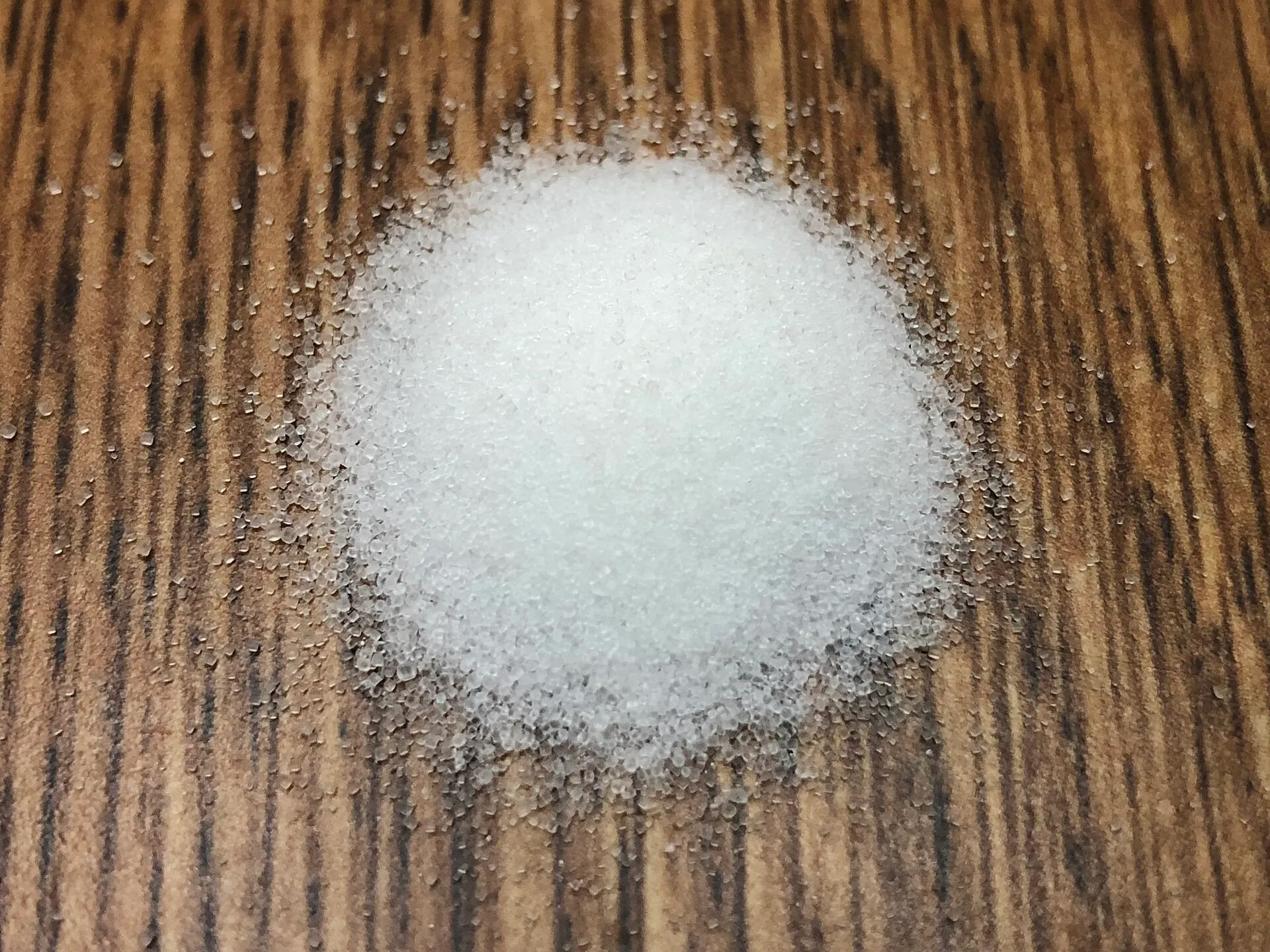
A small pile of table salt on a wood surface
Rarely a large amount — but worth knowing on a sodium-restricted diet.Famartin · CC BY-SA 4.0

Why sodium in water matters

If a doctor has you on a sodium-restricted diet, it's reasonable to want to know how much your water contributes — especially if your water is both naturally sodium-rich and softened. It's rarely a large number, but “rarely large” isn't the same as “worth ignoring” when you're managing blood pressure or heart health.

This is really an information issue more than a problem to fix. Knowing your water's sodium lets you make an informed choice rather than worry in the dark.

What to do about sodium in water

A couple of simple options, depending on how much it matters to you:

  • Reverse osmosis at the kitchen sink removes the sodium from your drinking and cooking water while leaving the softener to protect the rest of the house — the most common approach.
  • Potassium chloride can replace softener salt, swapping added sodium for potassium, though it costs more.

If sodium is a concern in your home, mention it when we visit — our free in-home test and your city's water report together give you the full picture, and we'll help you decide whether anything needs doing at all.

Questions & answers

Sodium FAQs

Does a water softener add a lot of sodium?

Usually a small amount — softening trades hardness minerals for a little sodium. For most people it's negligible compared to what's in food; it only warrants a second look on a sodium-restricted diet.

Is softened water safe on a low-sodium diet?

For most people, yes. If you're managing sodium closely, reverse osmosis at the kitchen sink removes it from drinking water while the softener protects the rest of the house.

Can I use potassium instead of salt in my softener?

Yes — potassium chloride can replace softener salt, swapping added sodium for potassium. It costs more, but it's a common choice for households watching sodium.

Does reverse osmosis remove sodium?

Yes — RO at the kitchen sink removes sodium from your drinking and cooking water, which is the usual approach when diet is the concern.

Free in-home water test

Get your real numbers — no charge, no pressure

Your city's report tells you what leaves the plant. We test at your tap, in your home, for free — hardness, iron, chlorine, pH, and dissolved solids in about twenty minutes. If the honest answer is “you're fine,” that's exactly what you'll hear.

Book my free water testCall or text (612) 445-6346

Financing available on treatment systems — ask when you call.

Curious first? Get your free 2-minute Water Report →

Your city

Water is different in every metro suburb

Hardness, treatment, and what's in the water change from one city to the next. See the specifics where you live — orget your free WaterIQ report, built from your city's own data.

Request service

Book your free in-home water test

Send the form and we'll call you back — usually within the hour during business hours. In a hurry or standing in water? Skip the form:

(612) 445-6346

Same-day & emergency service available.

Call (612) 445-6346Request service