What is radium in water?
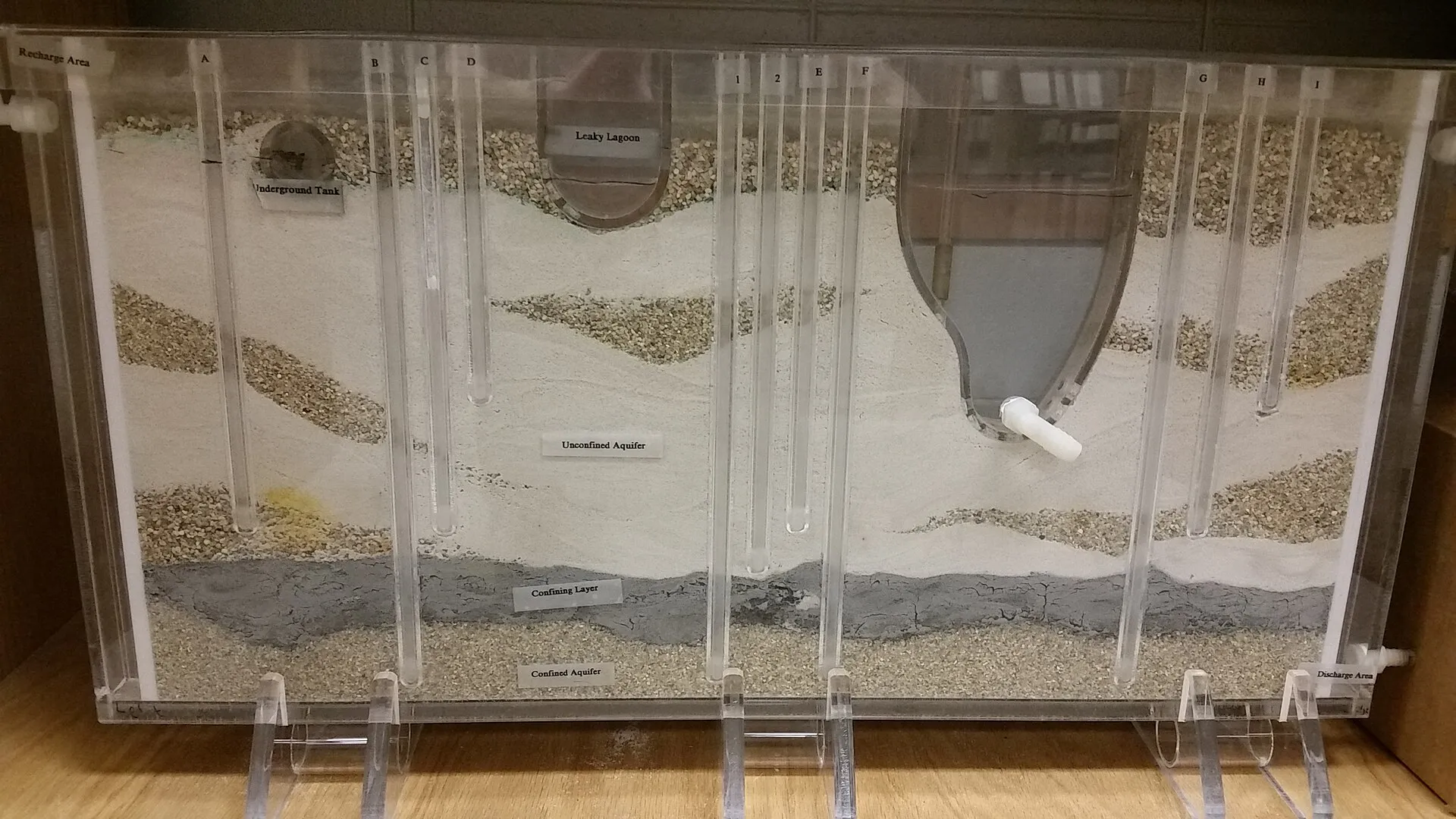
Radium is a naturally occurring radioactive element. In parts of Minnesota — particularly systems drawing from deep bedrock aquifers — small amounts dissolve into the groundwater from the surrounding rock. It has nothing to do with pollution or industry; it's simply the geology.
Because it's radioactive, radium is federally regulated, and public water systems that find it must treat the water to stay under the limit and report the levels every year. If your city draws from a deep aquifer, you may see “combined radium” or “gross alpha” on the water report — that's this.
Why radium in water matters
Long-term exposure to elevated radium carries a health risk, which is why it's regulated and monitored. For anyone on a city system, the utility is already handling it — the numbers on your water report are the finished, treated water, kept under the federal limit.
The situation to watch is a private well drawing from a deep aquifer in an area known for radium. There, as with arsenic and nitrate, no one is testing unless the owner does.
What to do about radium in water
The good news is that the treatment many homes already have helps:
- Ion-exchange water softeners reduce radium as a side effect of removing hardness — a genuine bonus of softening in these areas.
- Reverse osmosis at the tap further reduces it for drinking and cooking water.
If you're on city water, there's usually nothing for you to do — it's handled upstream. If you're on a deep private well, testing is the move, and we'll help you understand the result and your options. Start with our free in-home test.