
Same-day & emergency service available · Serving Minneapolis–St. Paul

Loon Plumbing

Drinking water

PFAS — the “Forever Chemicals”

PFAS is one of the most talked-about water topics in Minnesota — with good reason in some communities. Here's a clear-eyed look at what it is and what actually removes it.

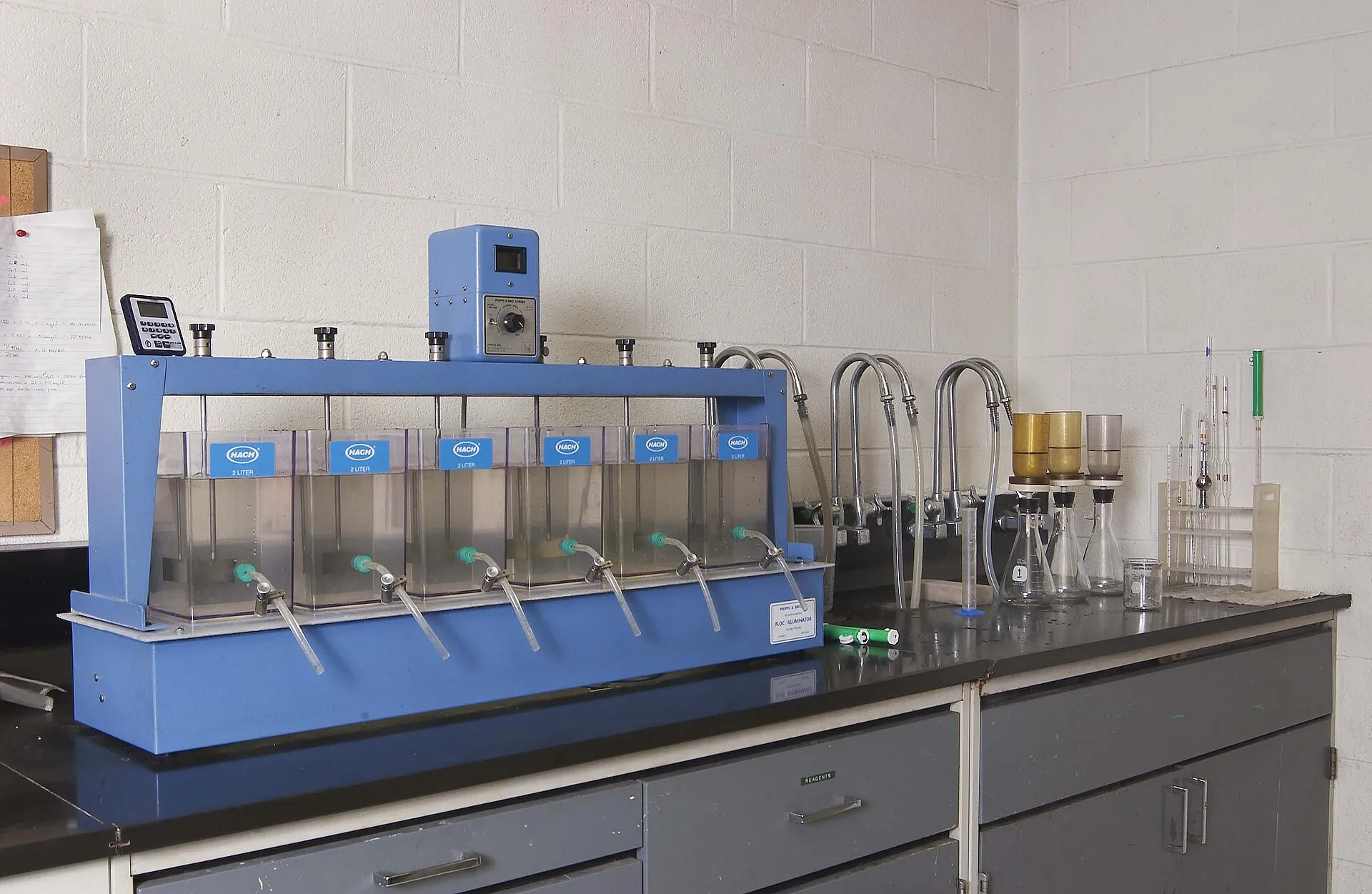
Jar-testing equipment in a water quality laboratory
PFAS is measured in a certified lab — the new EPA limits are just a few parts per trillion.US EPA · Public domain

What is PFAS?

PFAS stands for per- and polyfluoroalkyl substances — a family of thousands of human-made chemicals used since the mid-20th century in everything from non-stick coatings to firefighting foam. They earned the nickname “forever chemicals” because they barely break down in the environment or the body.

In 2024 the EPA finalized the first-ever national drinking-water limits for several PFAS compounds, set at just a few parts per trillion. Minnesota has been ahead of the curve here, partly because of a well-known history in the east metro — the 3M manufacturing legacy left a groundwater plume that communities like Woodbury, Cottage Grove, and Lake Elmo have been actively managing.

The honest picture across the metro is mixed. Many cities show only trace detections well under the limits; a handful sit at or above the new EPA thresholds and are installing treatment. Your city's water report — and your WaterIQ result — will tell you where your system stands.
A clear glass of water on a counter
Where you want it out of your drinking water, reverse osmosis is the proven fix.Kurt Kaiser · CC0

Why PFAS matters

PFAS are linked in research to a range of health concerns, which is why the new limits are so low. Unlike hardness or chlorine, this isn't a taste-and-comfort issue — it's the kind of thing worth taking seriously if it's elevated in your water.

The important thing is to respond to your actual numbers, not the headlines. A city with trace detections far below the limit is a very different situation from one that exceeds it. We help you read the difference rather than sell you fear.

What to do about PFAS

For drinking water, the proven, practical fix is a reverse-osmosis (RO) system at the kitchen sink. A good RO membrane rejects the vast majority of PFAS, and it sharpens the taste of your water as a bonus. Because you only treat the water you drink and cook with, it's far more economical than trying to treat the whole house.

Whole-home PFAS reduction is possible with the right granular activated carbon or specialized media, and makes sense in specific situations, but for most homes point-of-use RO is the sensible, cost-effective answer.

One caveat we're always straight about: PFAS can't be tested with a strip in your kitchen — it requires a certified laboratory. Our free in-home test covers the everyday water quality; for PFAS specifically we'll point you to your city's published data and the right lab if you want your own number.

Questions & answers

PFAS FAQs

Is there PFAS in Twin Cities water?

It varies a lot by community. Many metro systems show only trace detections well under the limits; a handful — especially in the east metro with the 3M plume history — sit at or above the new EPA thresholds and are installing treatment. Your city's report shows where you stand.

Does a refrigerator or pitcher filter remove PFAS?

Most don't meaningfully. For drinking water, a reverse-osmosis system is the proven fix, and some filters are certified specifically for PFAS reduction — check the certification, not the marketing.

Does reverse osmosis remove PFAS?

Yes — a good RO membrane rejects the vast majority of PFAS, which is why it's the practical, economical fix for drinking and cooking water at the kitchen sink.

How do I test my water for PFAS?

PFAS can't be read with a strip — it needs a certified lab. Start with your city's published results; for a private number we'll point you to the right lab.

Free in-home water test

Get your real numbers — no charge, no pressure

Your city's report tells you what leaves the plant. We test at your tap, in your home, for free — hardness, iron, chlorine, pH, and dissolved solids in about twenty minutes. If the honest answer is “you're fine,” that's exactly what you'll hear.

Book my free water testCall or text (612) 445-6346

Financing available on treatment systems — ask when you call.

Curious first? Get your free 2-minute Water Report →

Your city

Water is different in every metro suburb

Hardness, treatment, and what's in the water change from one city to the next. See the specifics where you live — orget your free WaterIQ report, built from your city's own data.

Request service

Book your free in-home water test

Send the form and we'll call you back — usually within the hour during business hours. In a hurry or standing in water? Skip the form:

(612) 445-6346

Same-day & emergency service available.

Call (612) 445-6346Request service