
Signs at your tap
- Your home was built before 1986 (lead solder was legal until then)
- Original galvanized or unknown-material water service line
- You've never had the water tested at a certified lab
What is lead in tap water?
Here's the key thing most people get backwards: lead is a plumbing problem, not a source-water problem. The water leaving your city's treatment plant is essentially lead-free. Lead gets in afterward, by dissolving out of lead-bearing plumbing between the water main and your glass.
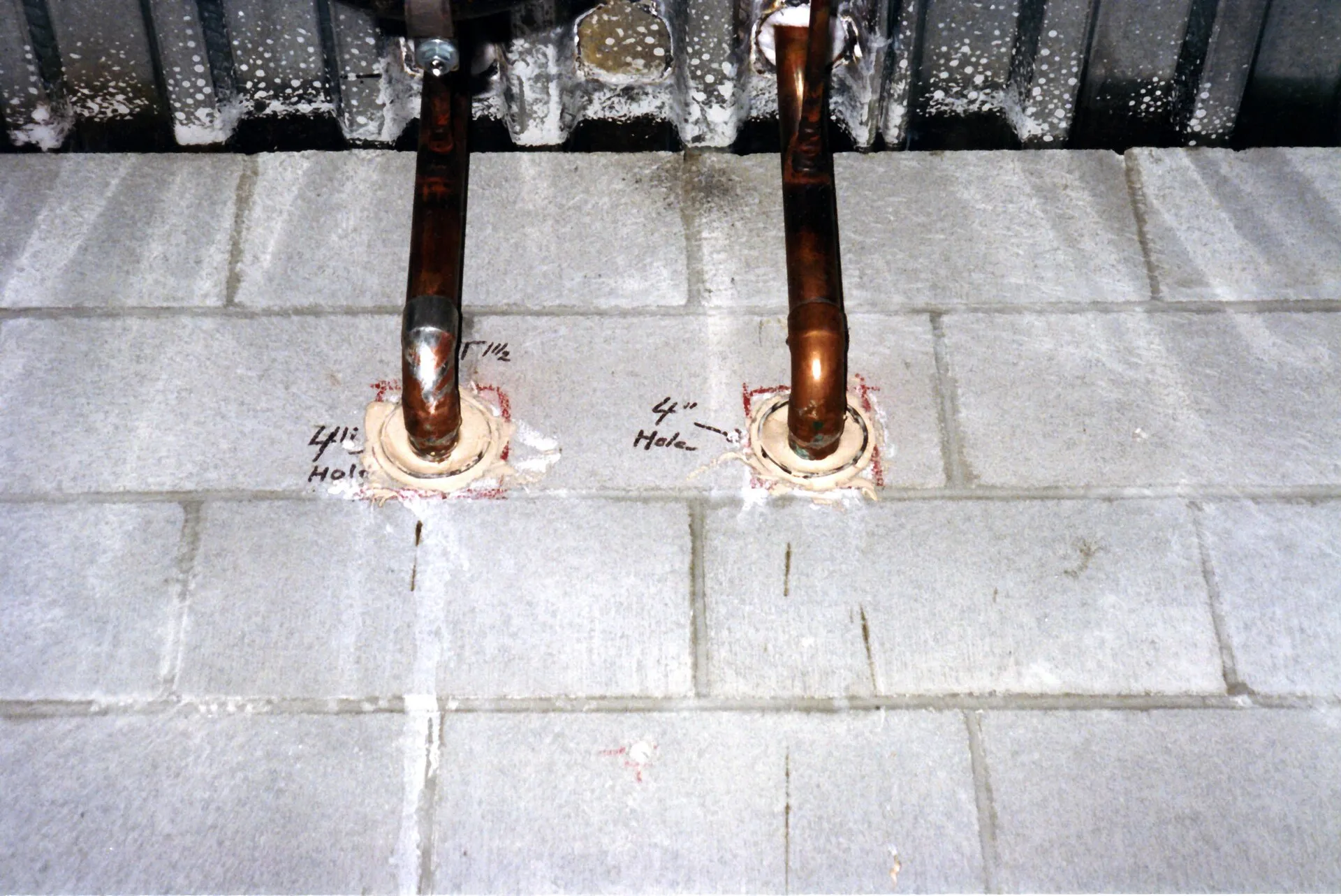
There are two usual culprits. The first is a lead service line — the pipe connecting the city main to your house, which in older neighborhoods can be lead. The second is lead solder, used to join copper pipe in homes right up until the federal ban in 1986. That 1986 line is why your home's age is one of the most useful facts about your lead risk.
Why lead in tap water matters
There is no safe level of lead exposure, and it's most harmful to infants, young children, and during pregnancy. That's why cities across the metro are now inventorying and replacing lead service lines, with funded programs ramping up.
The reassuring part: even in homes with some lead plumbing, the amount that reaches your water is usually low and manageable, and there are straightforward ways to reduce it further. The risk is real but it's addressable — the worst thing you can do is not know.
What to do about lead in tap water
A few proven steps, roughly in order:
- Test at a certified lab. Lead can't be read by a test strip — it needs a lab. This is the one water concern where we'll always send you to the right lab rather than guess.
- Filter at the tap. A reverse-osmosis system or a filter certified to NSF/ANSI 53 for lead removes it from your drinking and cooking water.
- Run cold water first. Water that's been sitting in the pipes picks up the most lead; a short flush and using only cold water for cooking cuts exposure for free.
- Replace lead plumbing over time. If you have a lead service line or lead-soldered pipe, replacing it is the permanent fix — and worth doing as part of any larger plumbing work.
We can help with the plumbing side — identifying and replacing lead-bearing lines — and set you up with the right point-of-use filtration for peace of mind in the meantime.