
Signs at your tap
- A sulfur or rotten-egg smell when you run the tap
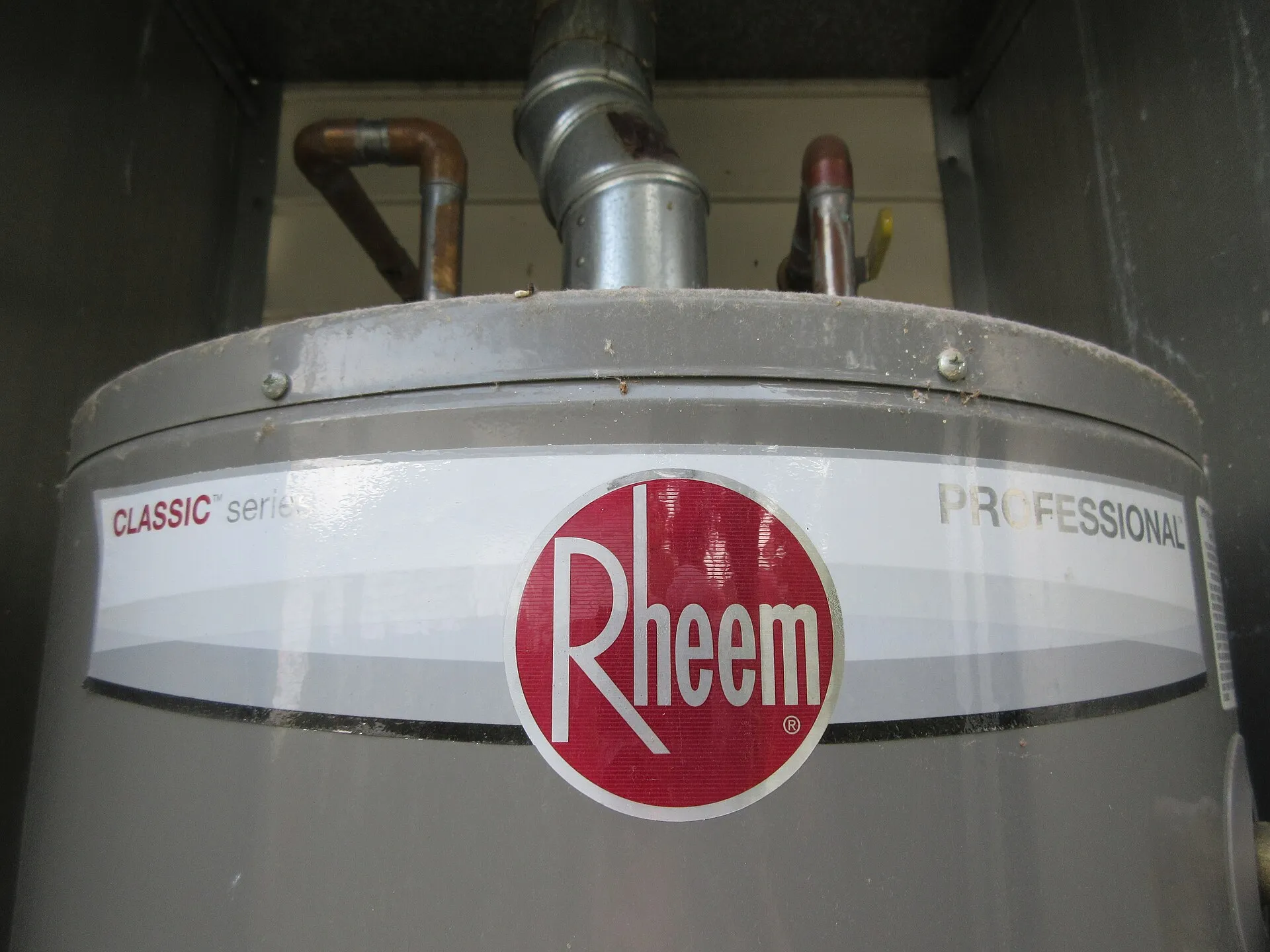
- Smell only on hot water → points to the water heater
- Smell on both hot and cold → points to the water source or well
What is the rotten-egg smell?
The culprit is nearly always hydrogen sulfide — a gas that even in tiny amounts produces that unmistakable rotten-egg smell. It's more often an odor nuisance than a health hazard at the levels found in homes, but it's genuinely unpleasant and worth chasing down.
The single most useful diagnostic is simple: does it come from the hot tap, the cold tap, or both? That one observation usually tells us where the smell is being born.
Why the rotten-egg smell matters
Beyond the obvious — nobody wants their shower or morning coffee smelling like sulfur — hydrogen sulfide is mildly corrosive and can tarnish silverware and fixtures over time.
It matters mostly because it's so frequently misdiagnosed. People replace an entire water heater when a simple part was the issue, or add a whole treatment system when the water heater was the culprit. Getting the source right saves real money.
What to do about the rotten-egg smell
If it's only on the hot water
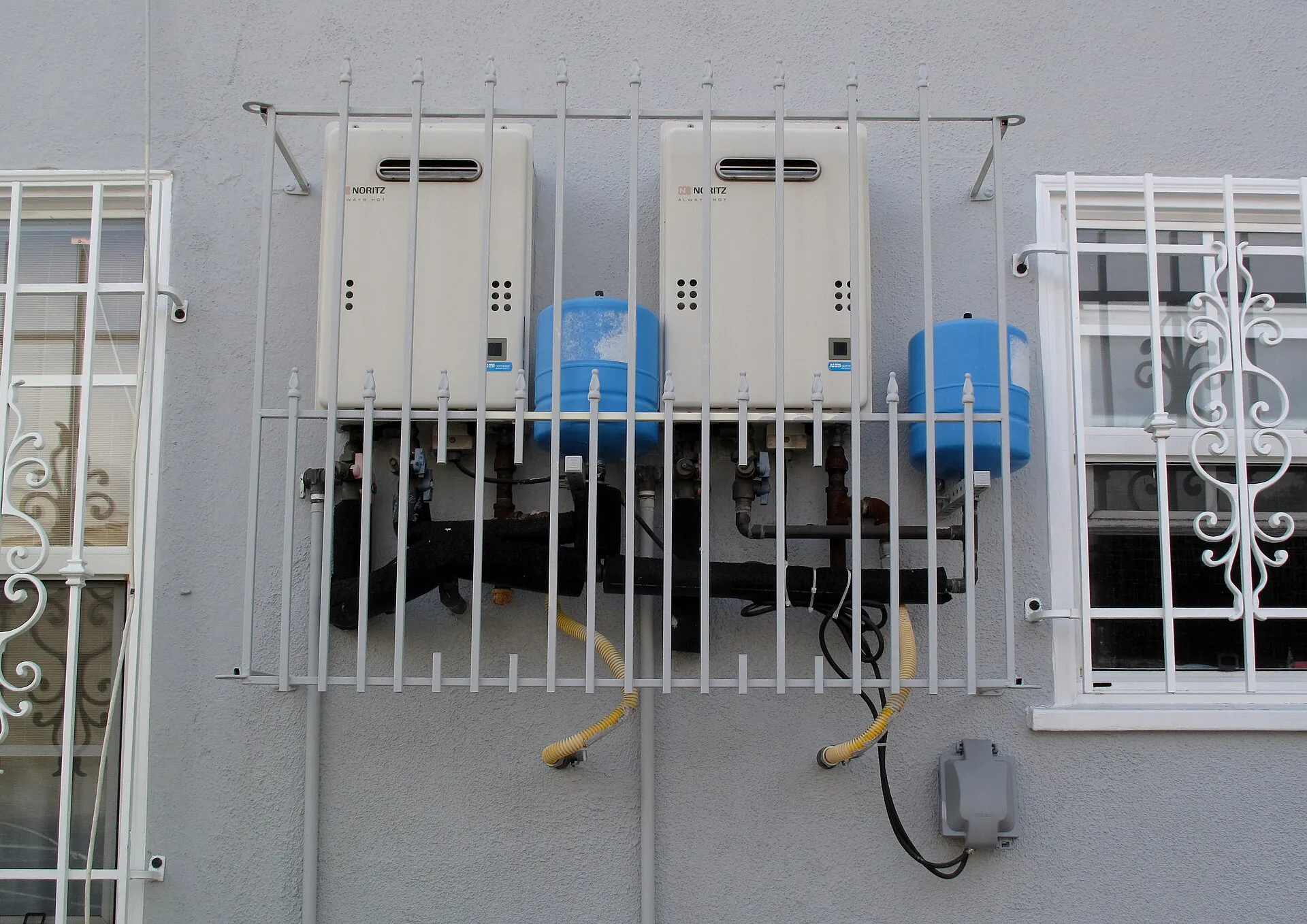
The usual cause is a reaction between the water and the anode rod inside your water heater — sometimes helped along by bacteria in the tank. The fix is often as simple as swapping to a different anode rod (aluminum/zinc or a powered one) and sanitizing the tank. This is a water-heater service, not a whole-home treatment project.
If it's on both hot and cold
Then the hydrogen sulfide is coming from the water source itself — common on private wells. That calls for treatment at the point of entry: an oxidizing filter or aeration system that removes the gas before it reaches the house.
Because the two causes look identical from the smell alone, we test and trace it before recommending anything — the fastest path to a house that doesn't smell like eggs.