
Same-day & emergency service available · Serving Minneapolis–St. Paul

Loon Plumbing

Staining & taste

Iron & Manganese

Rusty stains, gray residue, a metallic taste — iron and manganese are behind the metro's most common staining complaints. The fix depends on the form they take.

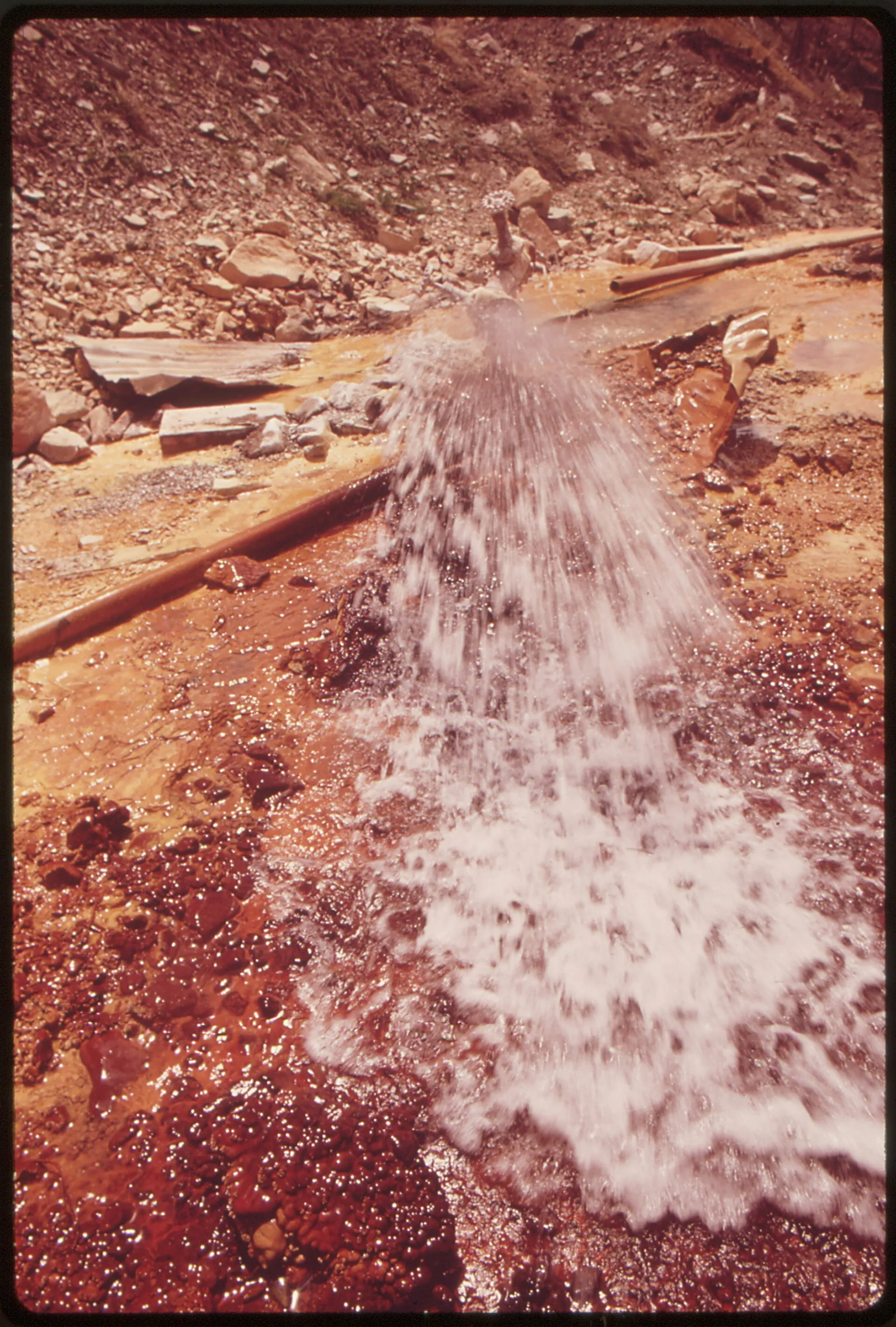
Iron-rich well water staining the ground rust-orange
Iron oxidizing out of well water — the source of the classic orange stain.Bill Gillette · Public domain

Signs at your tap

  • Orange or rust-colored stains in toilets, tubs, and on laundry
  • Black or gray specks and grime, especially in the toilet tank
  • A metallic taste, or water that looks clear then turns brown in the air
  • An existing softener that can't seem to keep up with the staining

What is iron & manganese?

Iron and manganese are metals that dissolve into groundwater from the surrounding rock — extremely common in the metro's well-supplied suburbs. At the levels found in tap water they're an aesthetic problem, not a health one, but they're a stubborn and visible aesthetic problem.

The tricky part is that iron shows up in more than one form. Dissolved (“clear-water”) iron is invisible until it hits air and oxidizes into the familiar orange stain. Oxidized iron is already rust particles by the time it reaches you. Manganese does something similar but stains black or gray. The form determines the fix — which is why guessing doesn't work here.
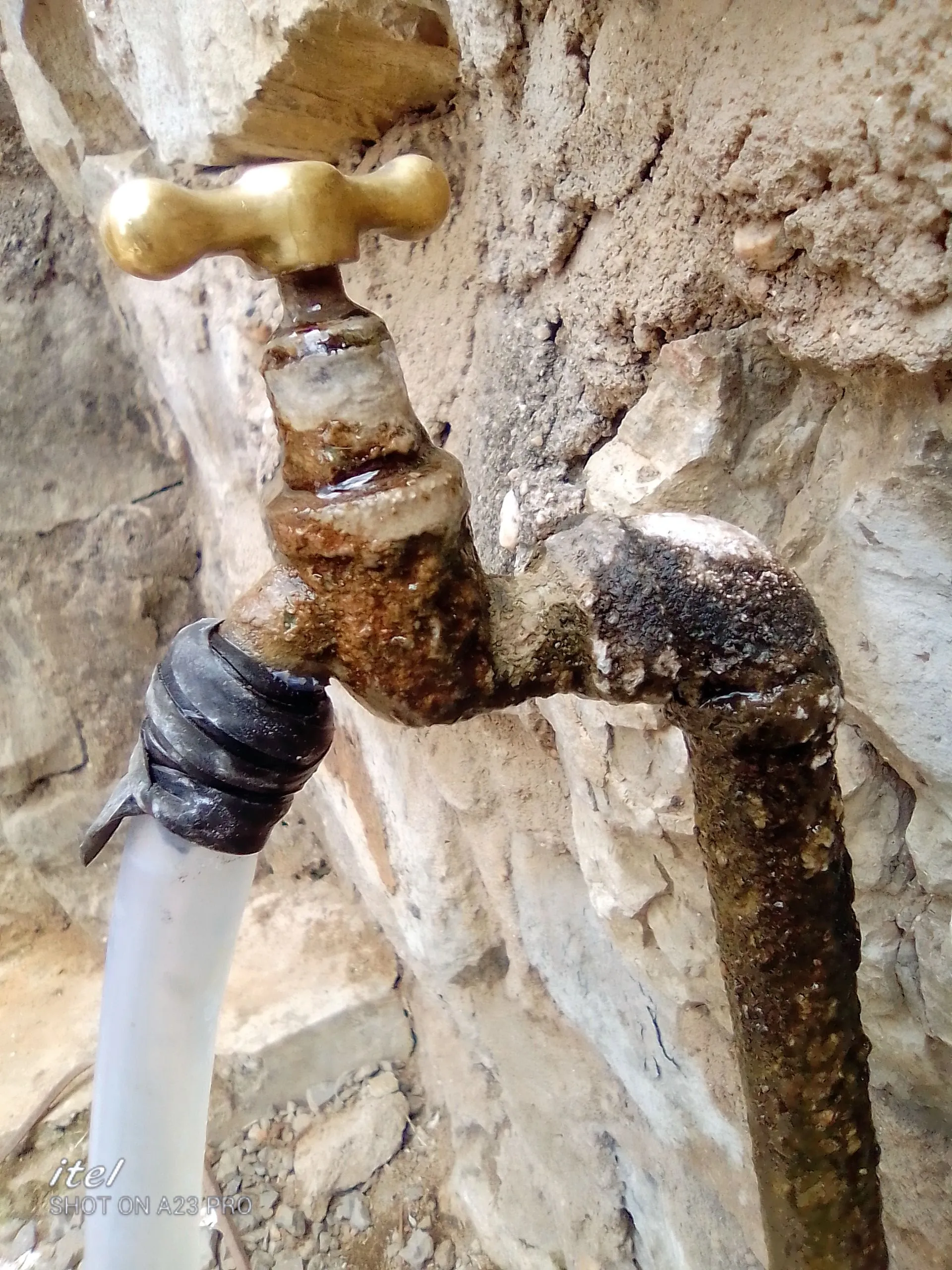
A corroded brass tap with mineral buildup
Even small amounts stain fixtures, tubs, and laundry.Aquarius Monk · CC BY-SA 4.0

Why iron & manganese matters

Even small amounts stain everything the water touches: toilets, tubs, sinks, white laundry, and fixtures. It's the kind of thing you scrub and scrub and it just comes back, because the source keeps delivering more.

Iron and manganese also build up inside water heaters and appliances, and can feed the bacteria that cause certain odors and slimes. On top of that, oxidized iron can foul a water softener that isn't set up to handle it — which is why a softener alone sometimes seems to “stop working.”

What to do about iron & manganese

Matching the treatment to the form is everything:

  • Low levels of dissolved iron can often be handled by a properly configured water softener as it removes hardness.
  • Higher levels, or oxidized iron and manganese, need a dedicated iron filter — typically an oxidation-plus-filtration system that converts the metals to particles and traps them.

This is a textbook case for testing before buying. We measure what's actually in your water and which form it's in, then size the system to it — rather than dropping a softener on a problem it can't fully solve.

Questions & answers

Iron & manganese FAQs

Why does my water leave orange or brown stains?

That's iron oxidizing out of the water and staining everything it touches. Even small amounts stain tubs, toilets, sinks, and white laundry — and it keeps coming back because the source keeps delivering more.

Will a water softener remove iron?

Low levels of dissolved iron, yes. Higher levels or already-oxidized iron need a dedicated iron filter — dropping a softener on heavy iron is a common reason the staining seems to come back.

What causes black specks or gray residue in water?

Usually manganese, iron's frequent companion in groundwater. It stains black or gray and shows up as grime, often in the toilet tank. It's treated the same way as iron, by oxidation and filtration.

Why did iron staining come back after I got a softener?

It's rarely a broken softener — it's usually iron in a form the softener was never designed to catch. A test tells us which form it is so we can match the right filter.

Free in-home water test

Get your real numbers — no charge, no pressure

Your city's report tells you what leaves the plant. We test at your tap, in your home, for free — hardness, iron, chlorine, pH, and dissolved solids in about twenty minutes. If the honest answer is “you're fine,” that's exactly what you'll hear.

Book my free water testCall or text (612) 445-6346

Financing available on treatment systems — ask when you call.

Curious first? Get your free 2-minute Water Report →

Your city

Water is different in every metro suburb

Hardness, treatment, and what's in the water change from one city to the next. See the specifics where you live — orget your free WaterIQ report, built from your city's own data.

Request service

Book your free in-home water test

Send the form and we'll call you back — usually within the hour during business hours. In a hurry or standing in water? Skip the form:

(612) 445-6346

Same-day & emergency service available.

Call (612) 445-6346Request service